
UK Choir of the Year
Rules & Guidelines
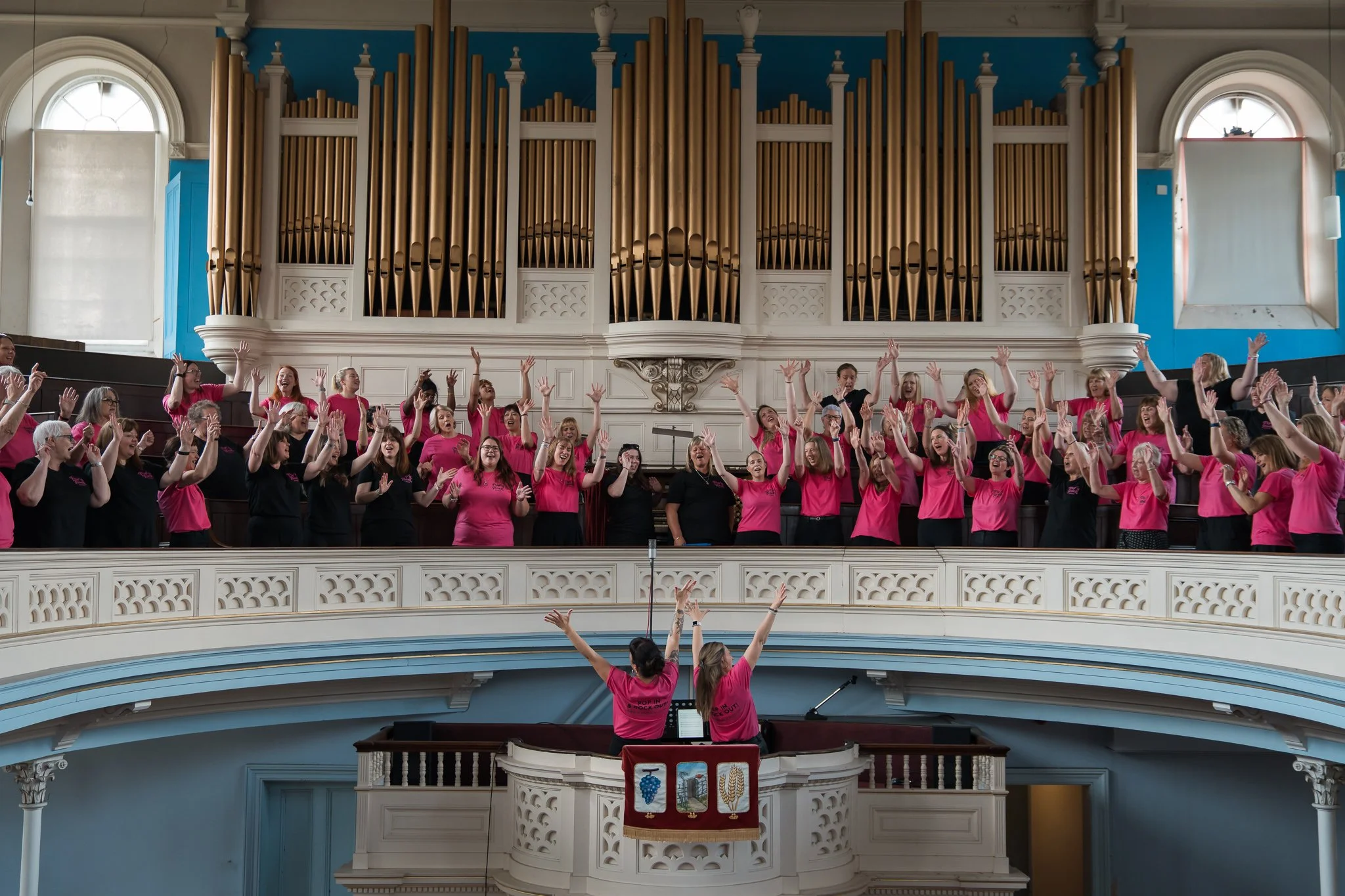
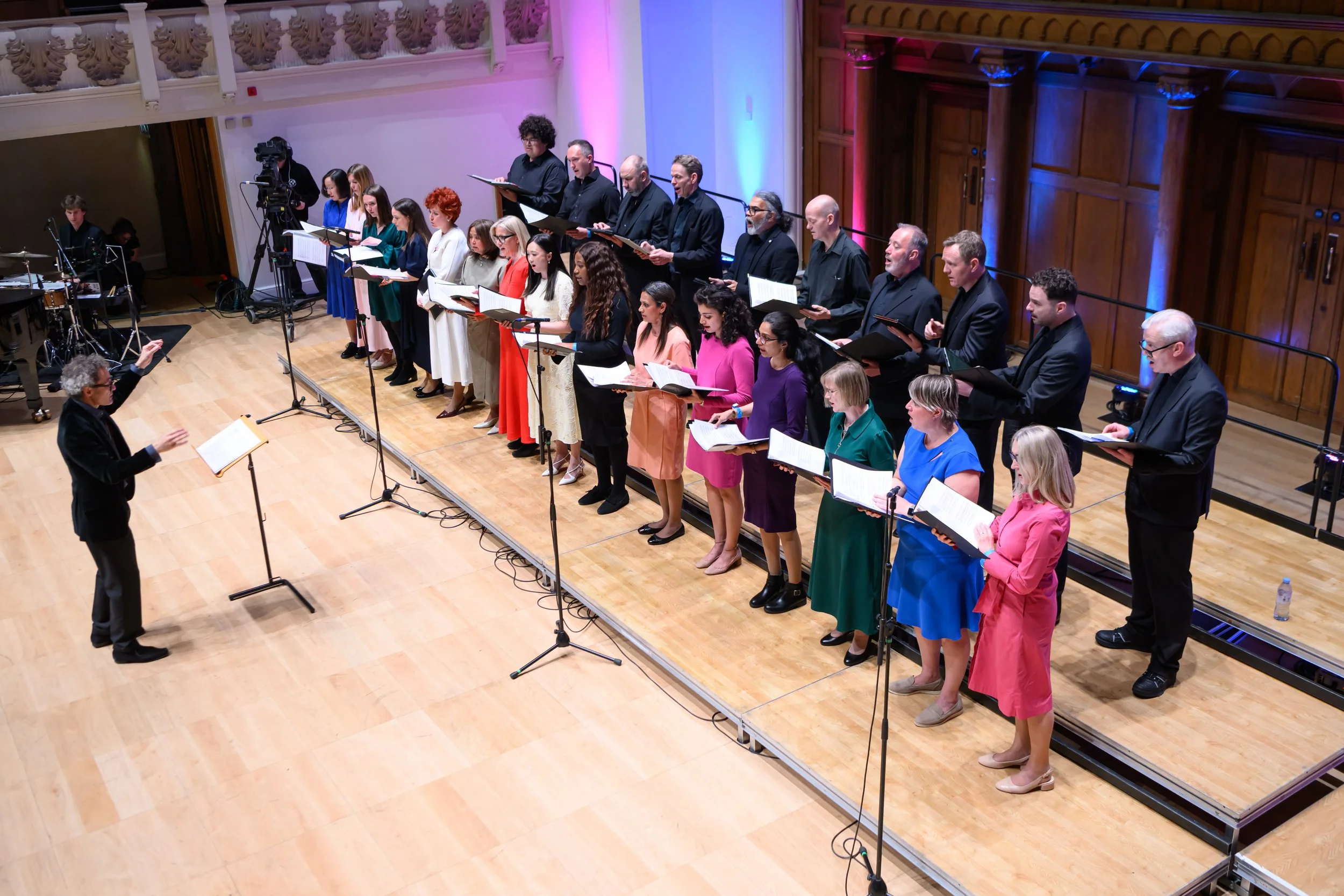
Citi London Choir
Pop n Rock Choir
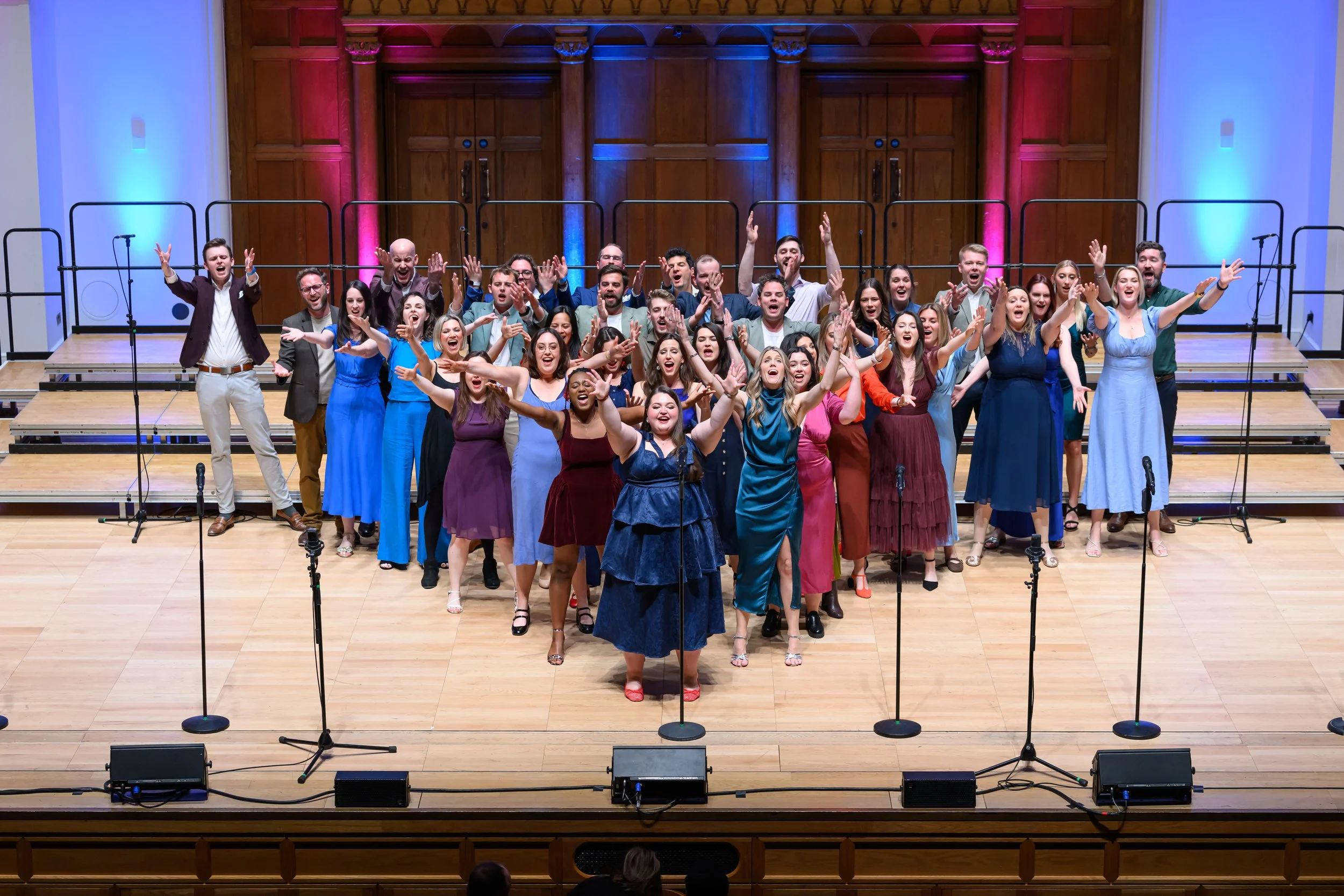
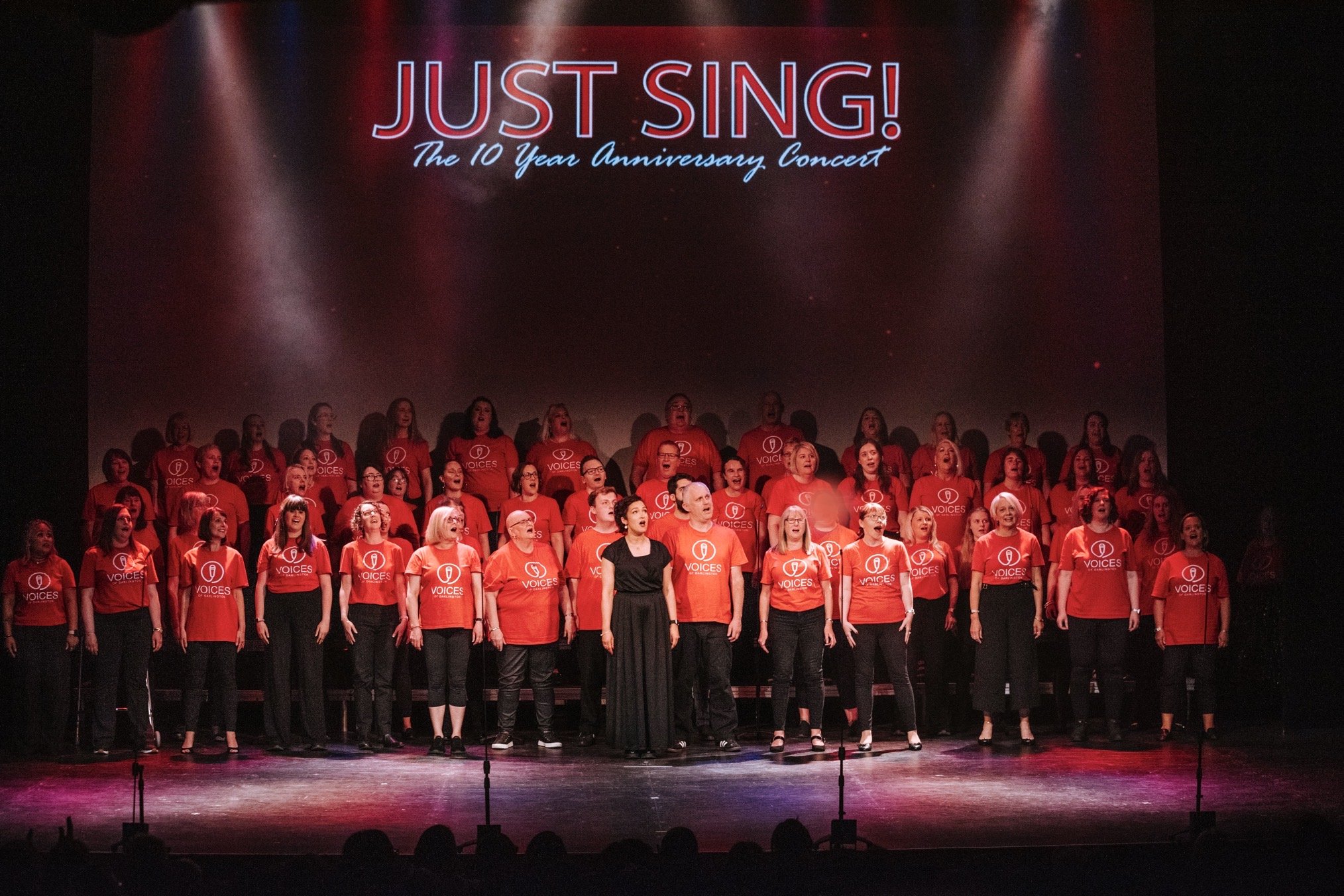
Voices of Darlington
The Adam Street Singers
Applications open 25 June 2026 and will be open for 6 weeks
All judging, eligibility and progression decisions by UK Choir of the Year are final and not subject to appeal
Eligibility
-
This competition is open to amateur choirs only.
For the purposes of UK Choir of the Year, an amateur choir is defined as one in which no members — except the conductor, musical director and accompanist — are paid to participate in the ensemble.
Choirs may still be paid for performances, provided singers are not salaried or paid as members of the group.
Choirs that identify as “semi-professional” are not eligible to apply.
Both auditioned and non-auditioned choirs are welcome.
Choirs must be established ensembles and not ad hoc groups formed solely for the competition.
The final decision regarding eligibility and amateur status rests with UK Choir of the Year. If you are unsure whether your choir qualifies, please contact us before applying, as application fees are non-refundable.
-
Any adult amateur choir based in England, Scotland, Wales, Northern Ireland, the Channel Islands and Isle of Man may apply.
All singers must be aged 18 or over on 1 September 2026.
University choirs are welcome to apply.
To ensure a balanced competition, there will be a limit on the number of such choirs progressing to the Category Finals.
Choirs from dedicated music conservatoires, drama schools, or professional theatre academies are not eligible.
-
All types of choirs are welcome, including mixed choirs, men’s choirs, women’s choirs, upper-voice choirs, a cappella groups and accompanied choirs.
All musical genres are welcome, including (but not limited to) classical, gospel, pop, jazz, folk, musical theatre, barbershop and traditional-language repertoire.
Choirs may apply for both the Classical and Contemporary categories if appropriate. Separate applications and application fees are required for each category. See below for more details on repertoire & categories
A choir may only be selected as a finalist in one category. Where a choir is considered strong enough for finalist selection in more than one category, the competition will determine the most appropriate category for that choir.
Community choirs with a highly selective or competitive audition process must apply for the Classical or Contemporary categories.
Community choirs using light-touch auditions, for example for vocal placement or balance, may still apply for the Community category.
If you are unsure which category is most appropriate for your choir, please contact us before applying, as application fees are non-refundable.
-
Choirs must consist of between 12 and 80 singers.
This limit may increase to 100 singers depending on final staging and venue capacity at Milton Court Concert Hall. Choirs wishing to exceed 80 singers should contact us before applying.
The number of singers performing in the live finals should remain broadly consistent with the audition video.
Competition Guidelines
-
Audition video can be up to 6 minutes in duration.
One song only. This must be a complete song or movement - No compilations or highlight reels.
Video must feature the choir performing live.
This does not need to be a performance in a concert setting - rehearsals, informal performances and workshop recordings are all acceptable provided the performance clearly represents the choir.
Video does not need to be bespoke - it can be from anytime during the last 12 months.
The submitted performance does not need to be the same repertoire later performed at the live finals.
Video must be unedited and recorded in a single continuous take.
Audio cannot be mixed, tuned, overdubbed or artificially enhanced.
Videos may be recorded using phones, cameras or professional equipment.
All filetypes accepted - maximum file size 1gb.
-
UK Choir of the Year features three categories: Classical · Contemporary · Community
The categories are intended to reflect the repertoire and overall musical style being presented, rather than act as fixed identity labels for choirs themselves.
Choirs may apply for both the Classical and Contemporary categories if appropriate. Separate applications and application fees are required for each category.
A choir may only be selected as a finalist in one category. Where a choir is considered strong enough for finalist selection in more than one category, the competition will determine the most appropriate category for that choir
If you are unsure which category is most appropriate for your choir, please contact us before applying, as application fees are non-refundable.
CLASSICAL
For both traditional and contemporary classical choral repertoire, including (but not limited to) sacred music, early music, world music, concert works and music rooted in the classical choral tradition.
Includes composers such as: Bob Chilcott, Sarah Quartel, Will Todd, Ola Gjeilo, Cecilia McDowall, Morten Lauridsen and similar composers working within the contemporary classical choral world.
CONTEMPORARY
Intended for repertoire rooted more strongly in commercial and contemporary vocal styles, including (but not limited to) pop, musical theatre, jazz, gospel, folk, barbershop, contemporary a cappella and commercial vocal arranging.
COMMUNITY
Defined primarily by choir structure and accessibility rather than repertoire style.
Community choirs may perform repertoire in any musical style.
However, audition submissions and live programmes should align with either the Classical or Contemporary definitions outlined above, rather than combining classical and contemporary within the same submission
Open-Door Policy: Entrance must be open to all individuals without restriction based on vocal talent, musical experience, or background.
The choir must not use auditions to select, filter, or reject members.
Section Placement Allowed: Short voice checks are permitted only to assign singers to the correct section (e.g., Soprano, Alto, Tenor, Bass), provided no singer is turned away as a result.
No Skill Prerequisites: Members must not be required to read sheet music, hold music theory qualifications, or have prior vocal training.
Inclusive Repertoire: The choir’s musical arrangements must be accessible to a wide range of singing abilities, rather than requiring advanced or professional vocal techniques.
UK Choir of the Year reserves the right to reassign any choir to the Classical or Contemporary categories if the organisers determine that the ensemble’s membership structure, skill level, or performance style does not fully align with the Community Choir definition outlined above. The organisers' decision is final.
-
Performance slot: 10 minutes. Choirs may perform multiple pieces within this time allocation.
Final repertoire may differ from audition repertoire however at least one piece should be the same genre as the audition.
A piano will be available for accompaniments.
Backing tracks are not permitted in the live final, however you may use a backing track for your audition video.
Acoustic or self-amplified instruments, such as guitar or cajon, are allowed at the finals however the number of instruments allowed will be capped at 2 for fairness. (For eg this could be piano + cajon, guitar + cajon, or piano + guitar).
Drum kits not permitted at the final but can be used in audition video.
Single drum, cajon or other single percussion instruments allowed at the live final.
Further technical guidance will be issued to finalist choirs in advance of the live finals.
The live final performers does not need to perfectly match the audition video however should still broadly represent the same regular choir with a substantial percentage singing in both.
Choirs cannot hire/recruit professional or outside singers just for the final.
-
Technical Ability & Vocal Precision
Good intonation, uniform vowel colouring, clear diction, breath control, quality vocal production and accurate notes and rhythms.Ensemble Cohesion & Balance
Section blend, balanced voice parts, and synchronised note entries/cut-offs.Musical Expression & Interpretation
Dynamic variety, musical line phrasing, articulation choices and stylistic genre accuracy.Performance & Stage Presence
Group posture, emotional connection, focus on conductor, and appropriate repertoire selection.
The weighting of these criteria will vary between categories, however in the Grand Final, the three category winners will be judged using the same criteria and scoring framework to ensure a fair and balanced comparison.
-
Application fee: £30
Live competition fee: £150
With this you will perform at Milton Court, receive feedback on your video audition and live finals performance, and receive a professional video and photos of your performance
Bursaries available